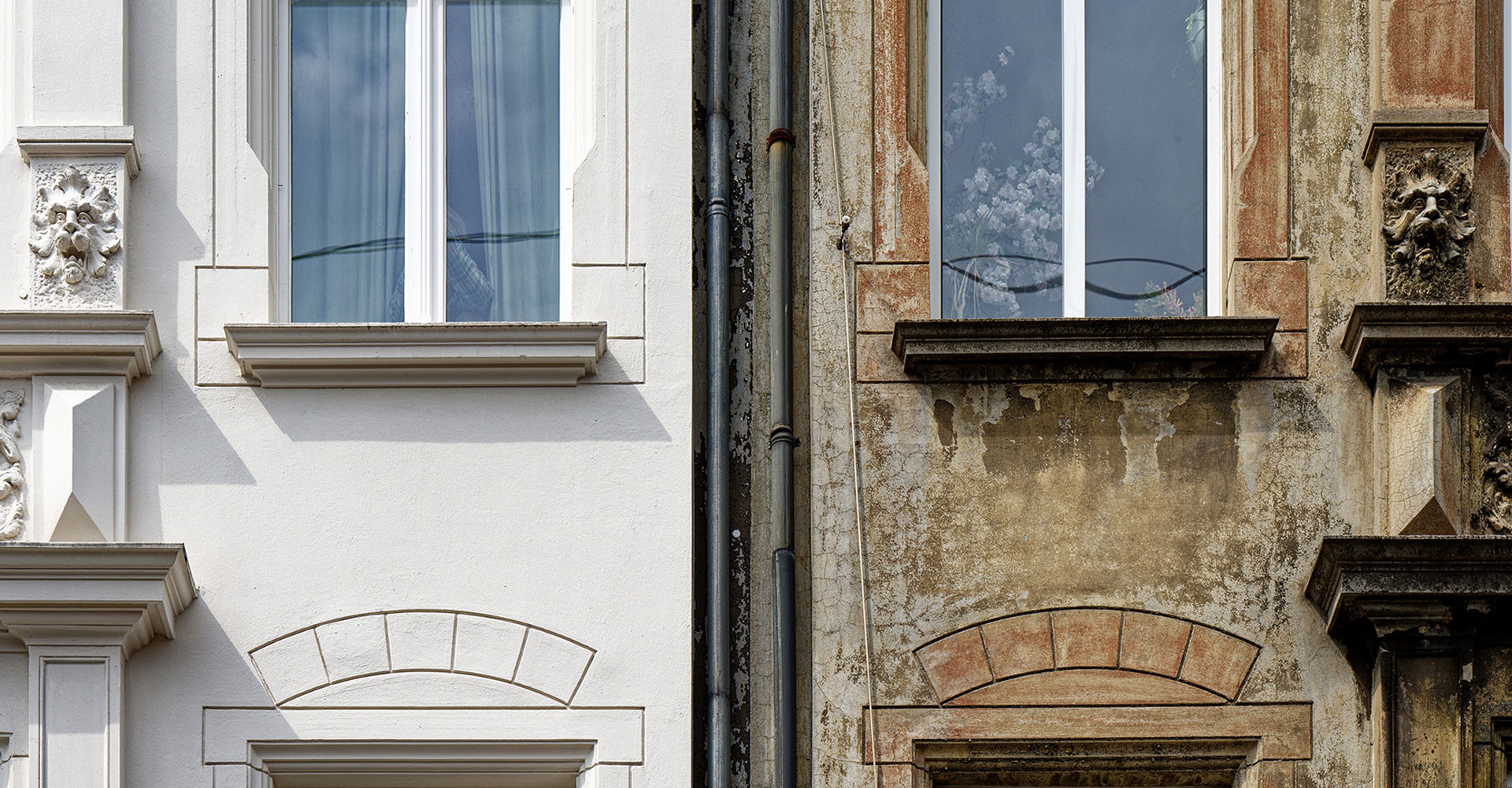
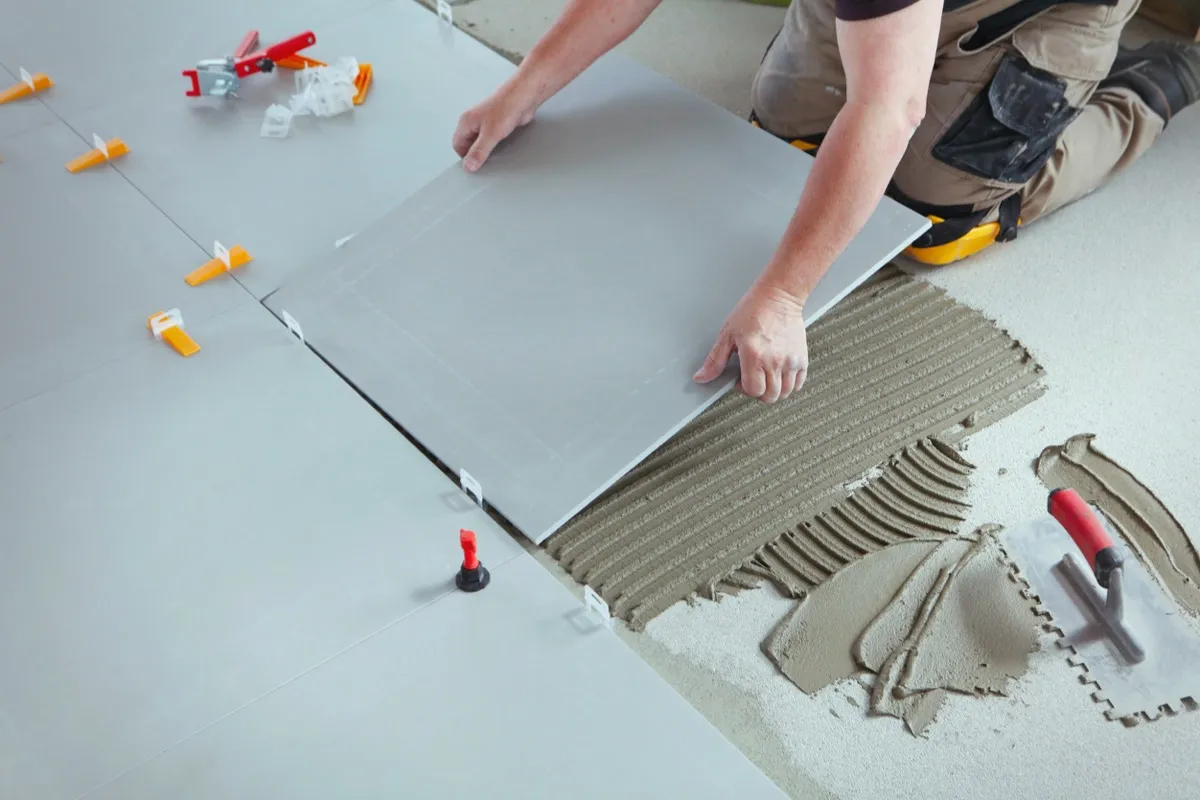
Reviving the Skyline: How Modern Renovation Techniques Are Redefining High-Rise Buildings in Pakistan
Pakistan’s urban landscape is evolving faster than ever. With major cities like Islamabad, Lahore, and Karachi continuing to expand vertically, the need to renovate, retrofit, and modernize existing high-rise structures has become essential. Rather than demolishing older towers, the construction industry is increasingly adopting modern building renovation practices that extend structural life, enhance performance, and bring buildings up to global standards. This shift is transforming skylines nationwide — and reshaping how developers, engineers, and construction firms approach the future.
High-rise renovation in Pakistan has moved far beyond simple repairs. Today, it blends structural retrofitting, sustainable construction, MEP system upgrades, and envelope modernization to meet modern safety codes, functional needs, and aesthetic expectations. As cities grow more densely populated and land becomes more valuable, renovating existing high-rises has become not only a practical approach but also a strategic investment for urban development.
Why High-Rise Renovation Matters in Pakistan
Pakistan’s earlier high-rise structures were designed for different architectural standards and building loads compared to today’s requirements. Factors such as rapid urbanization, evolving commercial needs, seismic considerations, and sustainability goals now require older buildings to undergo deeper, more strategic transformation.
Here’s why renovation has become essential:
1. Growing Seismic Safety Requirements
Many buildings constructed decades ago were not designed using modern seismic codes. Structural retrofitting ensures that these buildings can withstand earthquakes through techniques such as:
-
Carbon fiber wrapping
-
Shear wall installation
-
Column jacketing
-
Foundation strengthening
These upgrades dramatically improve structural integrity without requiring demolition.
2. Changing Urban & Commercial Needs
Modern businesses and residents expect smart features, faster MEP systems, energy efficiency, and modern aesthetics. Modern building renovation bridges this gap by upgrading:
This enables older buildings to compete with new construction while maximizing long-term value.
3. Sustainability & Energy Efficiency
With climate concerns on the rise, sustainable construction practices are becoming priority. Renovation reduces waste, lowers carbon footprint, and enables the use of:
These measures reduce operating costs while supporting environmental responsibility.
Modern Renovation Techniques Redefining the Skyline
Renovating a high-rise is far more complex than building one from scratch. The process requires precise engineering, advanced materials, and strategic planning to strengthen the existing structure while incorporating new technologies. Below are the most significant techniques reshaping Pakistan’s skyline:
1. Structural Retrofitting for Safety & Longevity
The heart of any renovation project lies in its structural upgrades. Structural retrofitting ensures compliance with updated building codes and increases resistance to natural disasters.
Key retrofitting methods used in Pakistan include:
-
Steel bracing systems: Improve lateral load resistance.
-
Shear walls addition: Enhances stiffness and controls building sway.
-
Carbon Fiber Reinforced Polymer (CFRP): Strengthens beams and columns without increasing dead load.
-
Foundation reinforcement: Boosts overall stability of older towers.
These upgrades allow high-rises to meet modern engineering standards while extending their operational lifespan.
2. High-Performance Façade Modernization
Old concrete facades and outdated glazing systems are being replaced with:
-
Double- and triple-glazed windows
-
High-performance curtain walls
-
Ventilated facades
-
Insulated cladding systems
This significantly improves energy efficiency, reduces heat gain, and elevates the building’s visual identity.
3. MEP Overhauls to Match Modern Demands
Electrical and mechanical systems often become outdated long before a building’s structure does. Through modern building renovation, high-rises are receiving complete MEP transformations:
-
Smart electrical panels and wiring
-
High-efficiency HVAC systems
-
Advanced fire-fighting solutions
-
Water recycling systems
-
Modern plumbing networks
These upgrades drastically improve occupant comfort, safety, and operational efficiency.
4. Interior Space Redesign & Functional Improvements
The needs of businesses and residents evolve with time. Renovation provides an opportunity to redesign and optimize internal spaces:
-
Open-plan layouts
-
Modular offices
-
Improved circulation routes
-
Accessibility enhancements
-
Better lighting and acoustic solutions
This ensures the building remains competitive for leasing and long-term occupancy.
5. Sustainable Construction for the Future
Today’s renovation projects are deeply aligned with sustainable construction principles. Pakistan’s high-rise renovation industry is incorporating:
This reduces environmental impact while supporting Pakistan’s long-term green building goals.
How Renovation Is Reshaping Pakistan’s High-Rise Identity
The transformation happening through high-rise renovation in Pakistan is redefining cities. Instead of abandoning older towers, developers and construction firms are turning them into:
-
Energy-efficient smart buildings
-
Modern commercial hubs
-
Environmentally conscious residential towers
-
Long-lasting, safer vertical structures
This revitalization preserves urban history while adapting buildings for modern life.
Conclusion: Renovation Is the Future of Urban Growth
As Pakistan continues to evolve, high-rise renovation is becoming central to its development strategy. Through structural retrofitting, modern building renovation, and sustainable construction practices, older towers are being reborn with renewed strength and functionality.
Modern renovation is not simply upgrading buildings — it’s reviving skylines, extending the life of iconic structures, and shaping the future of urban Pakistan.