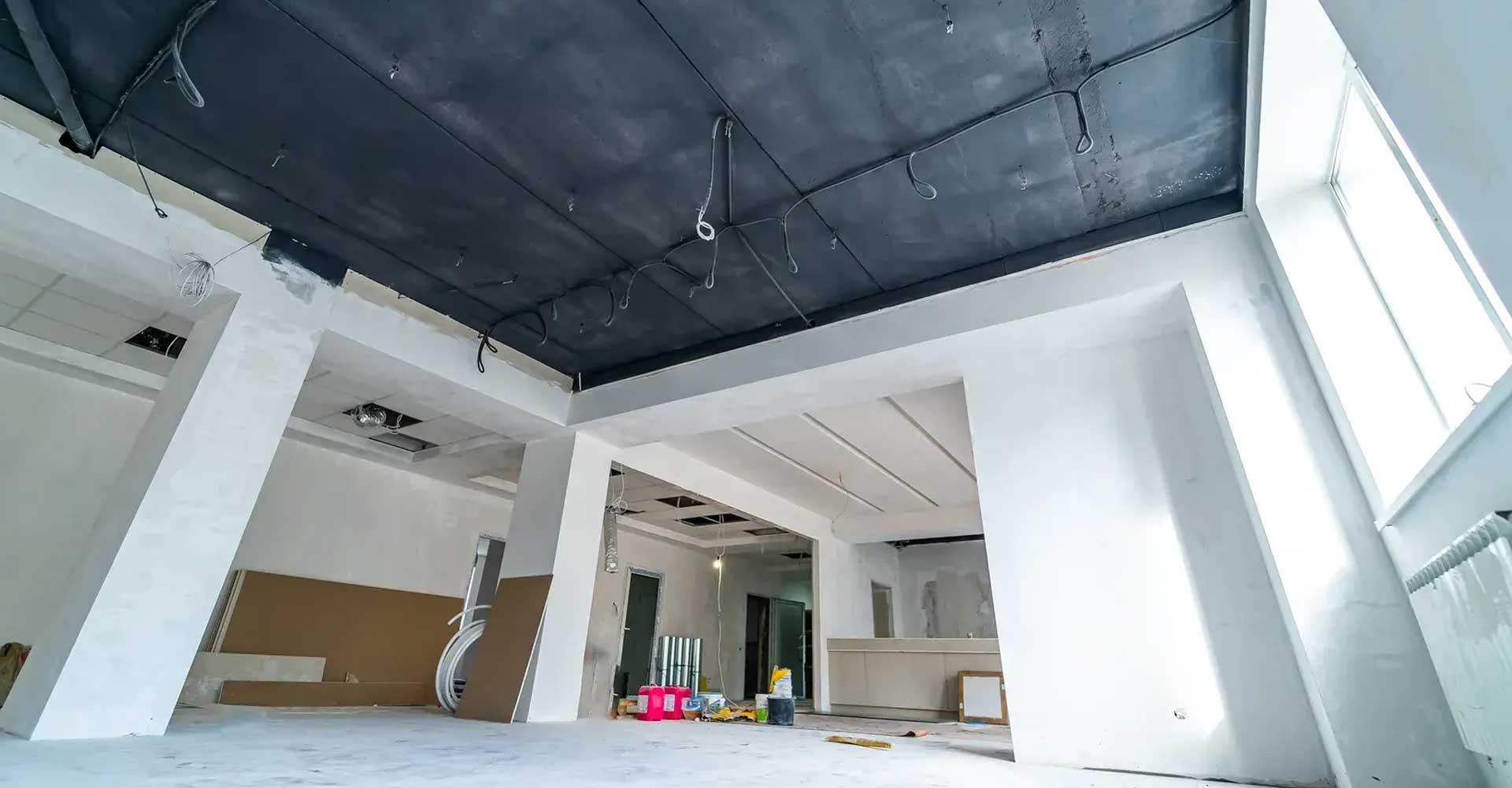
Modern Hospital Renovation Strategies: Enhancing Safety, Efficiency, and Patient Experience

Hospitals are among the most critical buildings in any community, and their infrastructure directly impacts patient safety, operational efficiency, and quality of care. As medical technologies evolve and patient expectations rise, many existing healthcare facilities require thoughtful modernization. Modern hospital renovation strategies focus on upgrading infrastructure while ensuring uninterrupted healthcare services, making renovation a vital component of sustainable healthcare development.

One of the primary goals of hospital renovation is enhancing patient safety. Older facilities often lack compliance with updated building codes, infection control standards, and fire safety regulations. Renovation projects address these challenges by improving structural integrity, upgrading fire-fighting systems, and introducing non-slip flooring, antimicrobial surfaces, and improved emergency exits. These measures reduce risks and create a safer environment for patients, visitors, and medical staff.

Another critical aspect of hospital renovation is operational efficiency. Inefficient layouts, outdated electrical systems, and congested service areas can slow down medical workflows. Modern renovation strategies prioritize functional space planning, enabling smoother movement of patients, staff, and equipment. Upgraded MEP (Mechanical, Electrical, and Plumbing) systems ensure reliable power supply, efficient ventilation, and proper water management—essential for continuous hospital operations.

HVAC upgrades play a crucial role in healthcare renovation. Hospitals require precise temperature control, high air quality, and effective filtration to reduce airborne infections. Renovation projects often include installing energy-efficient HVAC systems with HEPA filtration, improved ducting, and automated climate control. These upgrades enhance indoor air quality while lowering energy consumption, supporting both patient comfort and sustainability goals.

Improving the patient experience is another key objective of modern hospital renovation. Thoughtfully designed reception areas, waiting spaces, and wards help reduce stress and anxiety. Natural lighting, calming color schemes, noise control solutions, and better accessibility features contribute to a healing-focused environment. Renovation also allows hospitals to incorporate patient-centered amenities such as clearer wayfinding systems, privacy-enhancing layouts, and family-friendly spaces.

In addition, modern hospital renovation strategies emphasize minimal disruption during construction. Phased execution, night-time work schedules, and strict dust and noise control measures allow hospitals to remain fully operational while renovation work progresses. This approach ensures continuity of care while infrastructure improvements are implemented safely.

At Faisal Farooq Construction, hospital renovation projects are approached with precision, responsibility, and a deep understanding of healthcare requirements. By integrating structural upgrades, HVAC optimization, MEP modernization, and patient-focused design, FFC delivers renovation solutions that enhance safety, efficiency, and long-term performance.

As healthcare demands continue to grow, modern hospital renovation is no longer optional—it is essential. Well-planned renovation strategies ensure hospitals remain resilient, efficient, and prepared to provide high-quality care for years to come.

Sustainable Renovation: Transforming High-Rises into Energy-Efficient Landmarks

Sustainable Renovation: Retrofitting the Existing High-Rises into Energy-Efficient Landmarks

As cities in Pakistan continue to rise upwards, the demand for sustainable renovation solutions is growing much faster than ever. Most of these high-rise structures, which were built decades ago, do not meet the modern performance standards in terms of energy efficiency, comfort, or environmental impact. Instead of demolishing and rebuilding, the smarter, greener, and more economical solution is sustainable renovation. As Faisal Farooq Construction, we are reshaping the future of Pakistan’s skyline through green retrofitting, intelligent upgrades, and modern engineering innovations.

Why Sustainable Renovation Matters in Pakistan

The high-rise buildings in cities like Lahore, Karachi, and Islamabad have to contend with increasing energy demands, an ever-rising temperature, and, of course, with infrastructure that is becoming dated. Upgrading existing high-rises into energy-efficient buildings reduces not only the operational cost but contributes toward Pakistan’s goals of long-term sustainability.

Sustainable renovation improves the:

  • Energy performance
  • Indoor air quality
  • Building lifespan and resilience
  • Occupant comfort and safety

Where others may have let older structures fall behind, FFC turns them into future-ready assets.

Core Elements of Sustainable High-Rise Renovation

1. HVAC Optimization & Smart Climate Control

Modernizing HVAC systems remains one of the most impactful upgrades. Energy efficiency is ensured through:

  • High-performance chillers and VRF systems
  • Smart thermostats and automated climate control
  • Improved ventilation for healthier indoor environments

These upgrades to HVAC significantly lessen electricity consumption while enhancing comfort levels.

2. Energy-Efficient Façade Retrofitting

Building facades are responsible for close to 40% of heat gain in a high-rise structure. Our solutions include:

  • Installation of Low-E glass
  • High-performance insulation
  • Reflective coatings and shading systems

We create energy-efficient buildings where the thermal balance is maintained through improvement in the building envelope and with reduced reliance on cooling systems.

3. Smart Building Systems Integration

As part of our renovation approach, we incorporate digital solutions such as:

  • Advanced Building Management Systems (BMS)
  • automated lighting and occupancy sensors
  • Realtime energy monitoring

These technologies enhance performance while reducing utility bills, in line with global standards on sustainability.

4. Water Conservation & Recycling Systems

In the water-stressed environment of Pakistan, green retrofitting must consider efficient water management. FFC integrates:

  • Greywater recycling units
  • Low-flow fixtures
  • Rainwater harvesting systems

This reduces water use and improves the environmental footprint for the building.

FFC’s Vision for Sustainable Urban Transformation

At Faisal Farooq Construction, we believe that the buildings of yesterday can become the landmarks of tomorrow. By introducing sustainable renovation in Pakistan, we are helping developers, institutions, and organizations unlock the full potential of their aging structures—making them stronger, smarter, and more efficient. Our mission is simple: Transform every high-rise we touch into a modern, energy-efficient, and environmentally responsible structure.