Why Fire Safety Systems Are Critical in High-Rise Construction: Protecting Lives, Assets, and Compliance

High-rise buildings represent complex engineering achievements, but their vertical nature also increases fire-related risks. In dense urban environments across Pakistan, proper fire safety systems in high-rise construction are not optional—they are essential for protecting human life, property value, and regulatory compliance.

The Unique Fire Risks in High-Rise Structures

Unlike low-rise buildings, fires in high-rise structures spread vertically through shafts, ducts, and stairwells. Evacuation is more difficult, and firefighting operations become more challenging due to height, access, and smoke movement. This is why high-rise construction requires integrated fire protection planning from the design stage.

Life Safety Comes First

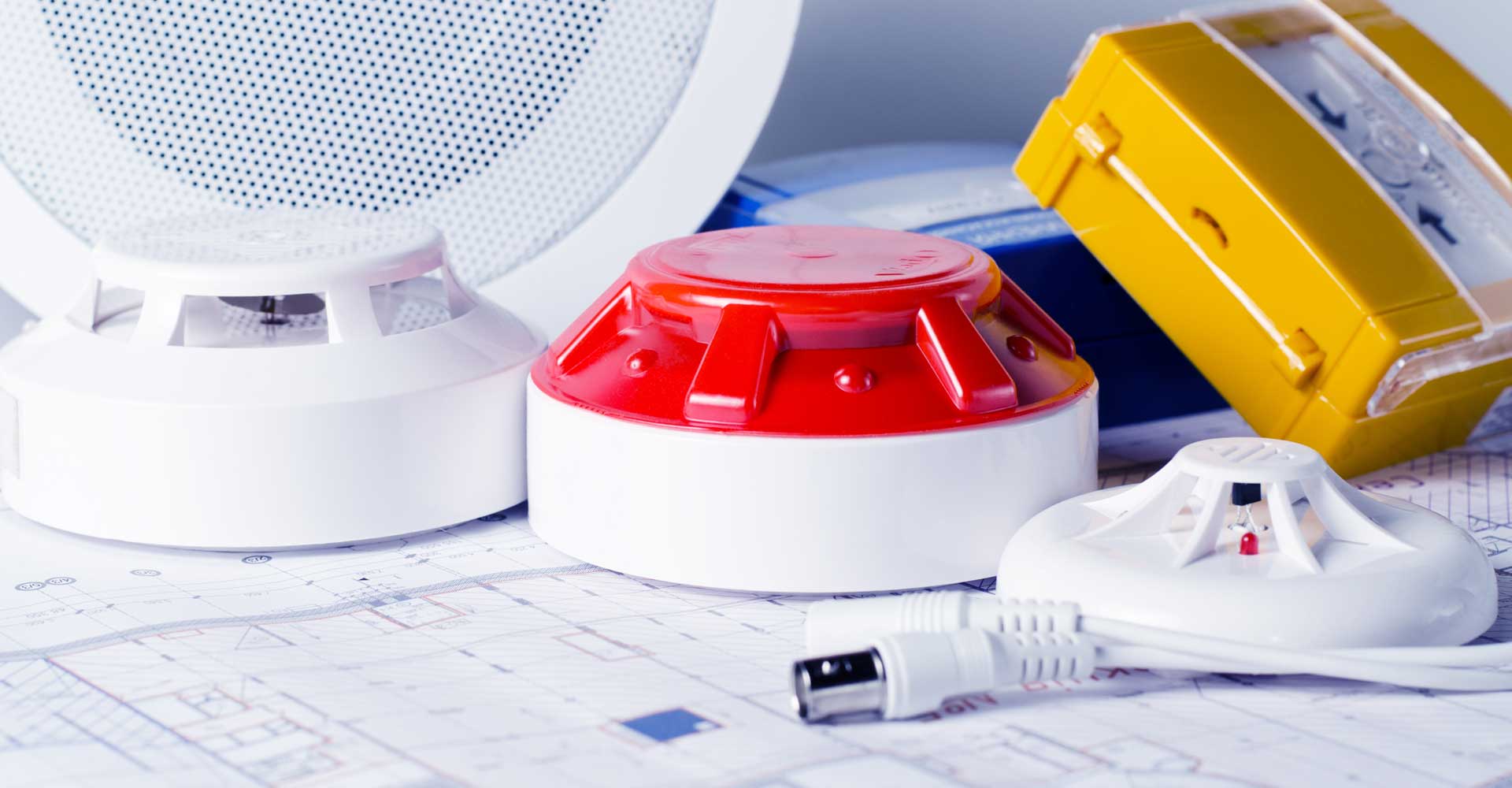
The primary goal of any fire safety system is life protection. Early detection systems such as smoke detectors, heat sensors, and fire alarm panels alert occupants immediately. Well-designed evacuation routes, emergency lighting, and pressurized stairwells ensure safe exit pathways. Fire-rated doors, walls, and compartmentation slow fire spread, giving occupants critical evacuation time.

Asset Protection and Business Continuity

Fires cause severe structural damage, loss of assets, and business interruption. Automatic sprinkler systems, hydrant networks, and fire suppression systems limit fire growth and reduce property damage. Properly installed fire protection measures protect investments, minimize downtime, and maintain building functionality after incidents.

Compliance with Building Codes and Regulations

Modern high-rise construction must adhere to local and international fire safety standards. Regulatory compliance covers fire detection, suppression systems, fire-resistant materials, and emergency access planning. Non-compliance can lead to legal penalties, insurance issues, and severe safety liabilities. Professional fire safety integration ensures buildings meet required codes and inspection standards.

Integrated MEP and Fire Safety Coordination

Fire safety systems must be coordinated with MEP services—including electrical, HVAC, and plumbing systems. Fire-rated ducting, smoke extraction systems, and emergency power supply for alarms and pumps are critical components. Poor coordination can lead to system failure during emergencies.

The Role of Professional Construction Expertise

Effective fire protection in high-rise buildings requires experienced engineering teams, precise installation, and rigorous quality checks. From design review to commissioning, professional execution ensures systems perform when needed most.

At Faisal Farooq Construction, we integrate fire-fighting systems, MEP coordination, and safety compliance into high-rise and commercial projects—delivering buildings that prioritize safety without compromising performance.


Why Expert Interior Finishing Services in Pakistan Are Essential for Modern Residential & Commercial Spaces

In today’s rapidly evolving construction landscape in Pakistan, interior finishing has become a defining factor in how spaces perform, feel, and retain value. Whether it is a residential apartment in Islamabad or a commercial office in Lahore, the quality of interior finishing directly impacts functionality, durability, and user experience. This is why expert interior finishing services are no longer a luxury—they are a necessity.

Interior Finishing: More Than Just Aesthetics

Interior finishing is the stage where a structure truly comes to life. It includes flooring systems, wall finishes, ceilings, lighting integration, joinery, fixtures, and final detailing. When executed without technical expertise, these elements may look acceptable initially but often fail under daily use. Expert finishing ensures that materials are installed correctly, aligned precisely, and perform reliably over time.

In Pakistan’s climate and usage conditions—high foot traffic, temperature variation, and intensive utility use—professional finishing is essential to prevent early deterioration and costly repairs.

Enhancing Functionality and Comfort

Modern residential and commercial spaces demand smart layouts and efficient usability. Expert interior finishing teams work closely with design and engineering plans to ensure seamless space planning, movement flow, and ergonomic comfort. Proper coordination between finishes and MEP systems (electrical, HVAC, plumbing, and fire safety) eliminates common issues such as exposed services, misaligned fixtures, or rework after completion.

For commercial spaces, this translates into productive work environments. For residential projects, it ensures comfortable living spaces that age gracefully.

Increasing Property Value and Market Appeal

High-quality interior finishing significantly improves a property’s resale and rental value. Buyers and tenants in Pakistan increasingly prioritize finished spaces that require minimal maintenance. Professionally executed interiors reflect attention to detail, durability, and quality—qualities that directly influence investment decisions.

In commercial projects, well-finished interiors also strengthen brand perception and client confidence.

Reducing Long-Term Costs

One of the biggest advantages of expert finishing services is cost efficiency over the lifecycle of the space. Skilled workmanship, correct material selection, and quality control reduce the need for frequent repairs, replacements, and upgrades. This is especially important in high-traffic environments such as offices, healthcare facilities, and retail spaces.

The Importance of Professional Execution

Expert interior finishing is not just about skilled labor—it is about project coordination, quality assurance, and disciplined execution. Professional contractors manage timelines, supervise trades, and ensure compliance with standards, delivering interiors that are ready for immediate and long-term use.

At Faisal Farooq Construction, our interior finishing services across Pakistan are delivered with precision, integrated planning, and strict quality control—ensuring spaces that perform as well as they look.


Planning an Interior Finishing Project?

If you’re developing or renovating a residential or commercial space in Pakistan, partner with professionals who understand execution, durability, and detail.

📞 Contact us for expert interior finishing solutions
🌐 www.faisalfarooqconstruction.com

Finish with confidence. Build with professionals.

How Professional Interior Design Enhances Functionality, Comfort, and Property Value

Professional interior design is more than visual appeal—it is a strategic process that combines space planning, material selection, and technical execution to deliver environments that perform efficiently and age gracefully. When executed by experienced interior design and finishing professionals, interiors significantly improve functionality, comfort, and long-term property value.

Functionality begins with intelligent space planning. Professional interior designers analyze movement patterns, usage requirements, and furniture layouts to ensure optimal flow and usability. This approach is particularly critical in residential apartments, commercial offices, healthcare facilities, and customer-facing spaces where efficiency and accessibility directly impact daily operations.

Comfort is achieved through thoughtful design coordination and quality finishing work. From lighting design and acoustics to surface textures and climate integration, professional interior services ensure a balanced environment that supports well-being. Precise execution of flooring systems, wall finishes, ceiling treatments, and MEP integration plays a key role in creating interiors that feel cohesive, durable, and comfortable over time.

Property value is enhanced when interiors are designed and finished to professional standards. High-quality materials, proper detailing, and skilled craftsmanship reduce maintenance costs while increasing market appeal. Buyers and tenants consistently prioritize well-finished interiors, making professional interior design a strong return-on-investment for both residential and commercial properties.

By delivering turnkey interior design and finishing solutions—from concept development to final handover—professional contractors eliminate rework, control costs, and ensure consistent quality. The result is an interior that not only looks refined but performs effectively, supports its users, and adds lasting value to the property.

Hospital Renovation Best Practices: Upgrading Healthcare Facilities Without Disrupting Patient Care

Hospital renovation is a highly specialized process that demands precision, planning, and a deep understanding of healthcare operations. Unlike commercial or residential projects, healthcare facility upgrades must be executed while maintaining uninterrupted patient care, safety, and regulatory compliance. As hospitals evolve to meet modern medical standards, following proven renovation best practices becomes essential.

1. Phased Renovation Planning

One of the most effective strategies for minimizing disruption is phased construction. By dividing the renovation into carefully planned stages, hospitals can keep critical departments operational while work progresses in isolated zones. This approach allows patient services to continue safely while reducing noise, dust, and congestion in active clinical areas.

2. Infection Control and Safety Protocols

Infection prevention is a top priority during hospital renovation. Best practices include installing temporary barriers, maintaining negative air pressure in construction zones, and using HEPA filtration systems to control airborne contaminants. Strict access control and daily site sanitation ensure compliance with healthcare infection control risk assessment (ICRA) standards.

3. MEP System Coordination

Upgrading MEP systems (Mechanical, Electrical, and Plumbing) is often the backbone of hospital renovation projects. Careful coordination is required to modernize HVAC systems for improved air quality, enhance electrical capacity for advanced medical equipment, and upgrade plumbing for hygiene and efficiency—without interrupting existing services. Temporary utilities and night-shift execution are commonly used to avoid downtime.

4. Noise and Vibration Management

Construction noise and vibration can negatively affect patients, particularly in sensitive areas such as ICUs, operating theatres, and pediatric wards. Best practices include scheduling high-impact activities during off-peak hours, using low-noise equipment, and applying vibration monitoring systems to protect both patients and medical infrastructure.

5. Patient-Centered Interior Design

Modern hospital renovation goes beyond technical upgrades—it focuses on patient experience. Incorporating calming color palettes, child-friendly wall graphics, improved lighting, and ergonomic layouts contributes to healing environments. In pediatric wards, playful themes and interactive interiors help reduce anxiety and support emotional well-being.

6. Stakeholder Communication and Coordination

Continuous coordination with hospital administration, medical staff, and facility managers is critical. Clear communication ensures that renovation schedules align with clinical priorities and emergency protocols. Regular progress updates and contingency planning help address unexpected challenges without compromising care delivery.

7. Compliance and Quality Assurance

Hospital renovations must adhere to local building codes, healthcare regulations, and international safety standards. Comprehensive quality checks, documentation, and testing ensure that renovated spaces are safe, compliant, and future-ready.

Conclusion

Successful hospital renovation is a balance between technical excellence and operational sensitivity. By adopting phased execution, strict safety controls, advanced MEP planning, and patient-focused design, healthcare facilities can be upgraded efficiently without disrupting patient care. When executed correctly, renovation projects not only modernize infrastructure but also enhance safety, efficiency, and overall healthcare outcomes.