
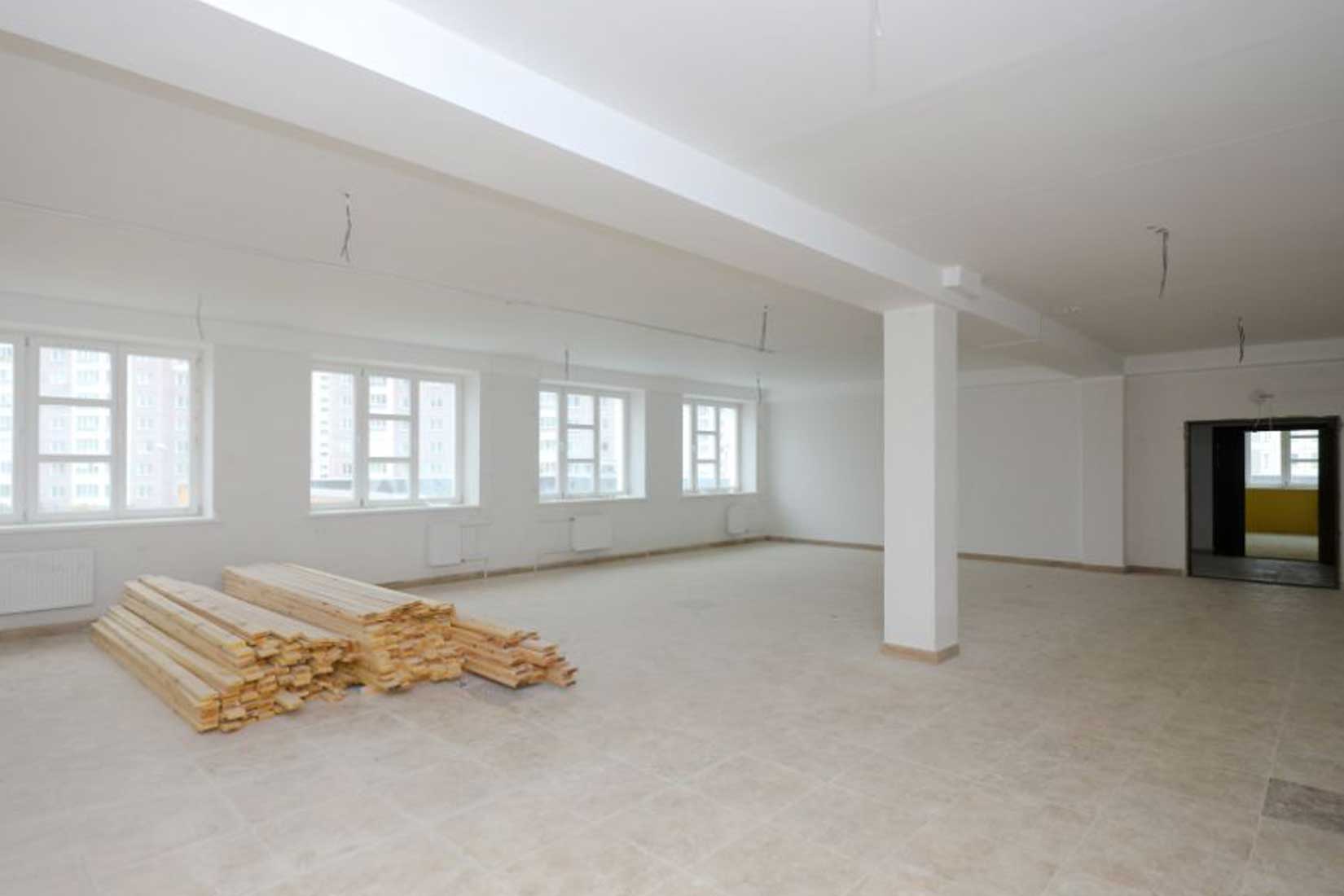
Hospital renovation is a highly specialized process that demands precision, planning, and a deep understanding of healthcare operations. Unlike commercial or residential projects, healthcare facility upgrades must be executed while maintaining uninterrupted patient care, safety, and regulatory compliance. As hospitals evolve to meet modern medical standards, following proven renovation best practices becomes essential.
1. Phased Renovation Planning
One of the most effective strategies for minimizing disruption is phased construction. By dividing the renovation into carefully planned stages, hospitals can keep critical departments operational while work progresses in isolated zones. This approach allows patient services to continue safely while reducing noise, dust, and congestion in active clinical areas.
2. Infection Control and Safety Protocols
Infection prevention is a top priority during hospital renovation. Best practices include installing temporary barriers, maintaining negative air pressure in construction zones, and using HEPA filtration systems to control airborne contaminants. Strict access control and daily site sanitation ensure compliance with healthcare infection control risk assessment (ICRA) standards.
3. MEP System Coordination
Upgrading MEP systems (Mechanical, Electrical, and Plumbing) is often the backbone of hospital renovation projects. Careful coordination is required to modernize HVAC systems for improved air quality, enhance electrical capacity for advanced medical equipment, and upgrade plumbing for hygiene and efficiency—without interrupting existing services. Temporary utilities and night-shift execution are commonly used to avoid downtime.
4. Noise and Vibration Management
Construction noise and vibration can negatively affect patients, particularly in sensitive areas such as ICUs, operating theatres, and pediatric wards. Best practices include scheduling high-impact activities during off-peak hours, using low-noise equipment, and applying vibration monitoring systems to protect both patients and medical infrastructure.
5. Patient-Centered Interior Design
Modern hospital renovation goes beyond technical upgrades—it focuses on patient experience. Incorporating calming color palettes, child-friendly wall graphics, improved lighting, and ergonomic layouts contributes to healing environments. In pediatric wards, playful themes and interactive interiors help reduce anxiety and support emotional well-being.
6. Stakeholder Communication and Coordination
Continuous coordination with hospital administration, medical staff, and facility managers is critical. Clear communication ensures that renovation schedules align with clinical priorities and emergency protocols. Regular progress updates and contingency planning help address unexpected challenges without compromising care delivery.
7. Compliance and Quality Assurance
Hospital renovations must adhere to local building codes, healthcare regulations, and international safety standards. Comprehensive quality checks, documentation, and testing ensure that renovated spaces are safe, compliant, and future-ready.
Conclusion
Successful hospital renovation is a balance between technical excellence and operational sensitivity. By adopting phased execution, strict safety controls, advanced MEP planning, and patient-focused design, healthcare facilities can be upgraded efficiently without disrupting patient care. When executed correctly, renovation projects not only modernize infrastructure but also enhance safety, efficiency, and overall healthcare outcomes.