
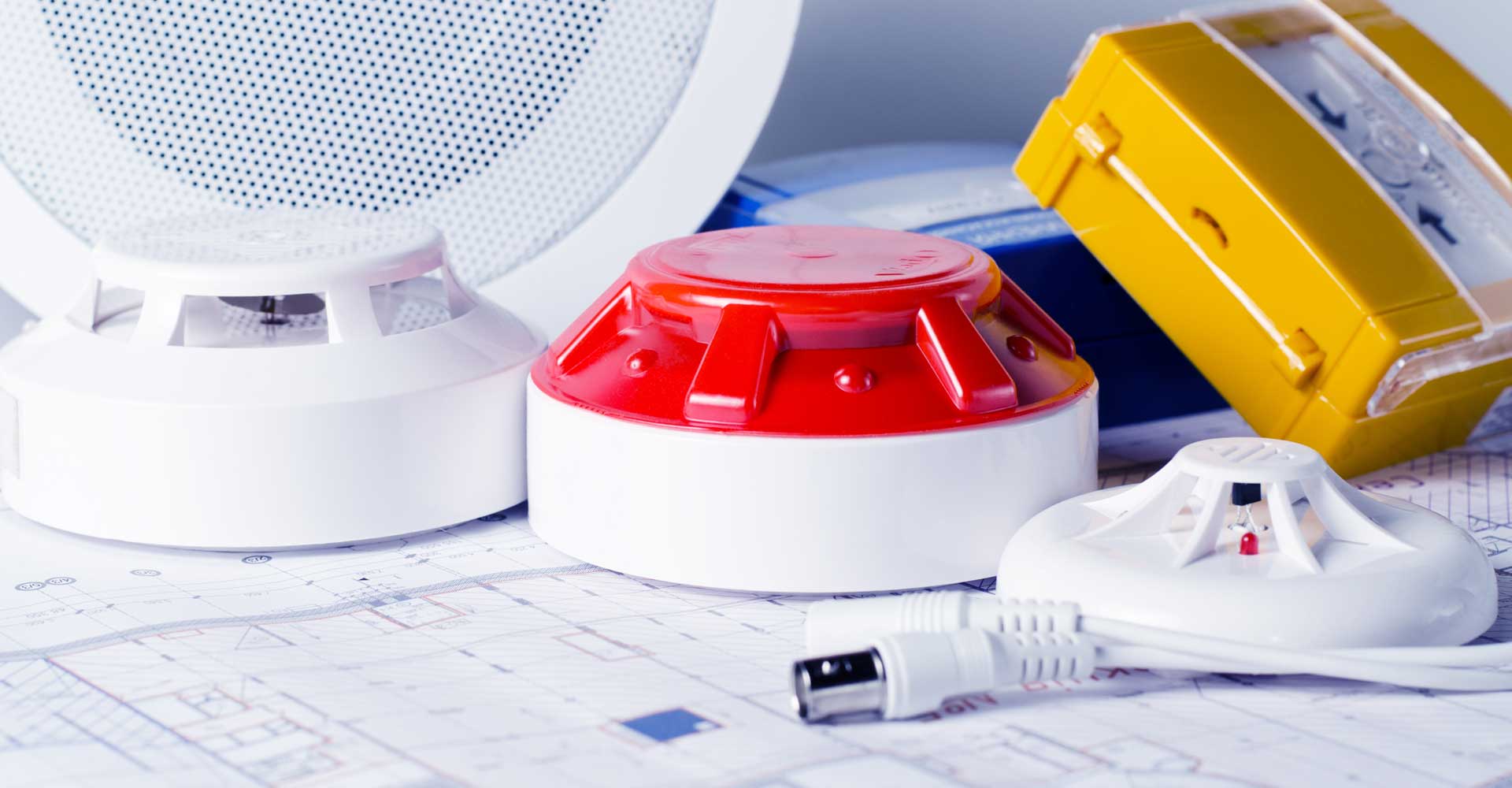
High-rise buildings represent complex engineering achievements, but their vertical nature also increases fire-related risks. In dense urban environments across Pakistan, proper fire safety systems in high-rise construction are not optional—they are essential for protecting human life, property value, and regulatory compliance.
The Unique Fire Risks in High-Rise Structures
Unlike low-rise buildings, fires in high-rise structures spread vertically through shafts, ducts, and stairwells. Evacuation is more difficult, and firefighting operations become more challenging due to height, access, and smoke movement. This is why high-rise construction requires integrated fire protection planning from the design stage.
Life Safety Comes First
The primary goal of any fire safety system is life protection. Early detection systems such as smoke detectors, heat sensors, and fire alarm panels alert occupants immediately. Well-designed evacuation routes, emergency lighting, and pressurized stairwells ensure safe exit pathways. Fire-rated doors, walls, and compartmentation slow fire spread, giving occupants critical evacuation time.
Asset Protection and Business Continuity
Fires cause severe structural damage, loss of assets, and business interruption. Automatic sprinkler systems, hydrant networks, and fire suppression systems limit fire growth and reduce property damage. Properly installed fire protection measures protect investments, minimize downtime, and maintain building functionality after incidents.
Compliance with Building Codes and Regulations
Modern high-rise construction must adhere to local and international fire safety standards. Regulatory compliance covers fire detection, suppression systems, fire-resistant materials, and emergency access planning. Non-compliance can lead to legal penalties, insurance issues, and severe safety liabilities. Professional fire safety integration ensures buildings meet required codes and inspection standards.
Integrated MEP and Fire Safety Coordination
Fire safety systems must be coordinated with MEP services—including electrical, HVAC, and plumbing systems. Fire-rated ducting, smoke extraction systems, and emergency power supply for alarms and pumps are critical components. Poor coordination can lead to system failure during emergencies.
The Role of Professional Construction Expertise
Effective fire protection in high-rise buildings requires experienced engineering teams, precise installation, and rigorous quality checks. From design review to commissioning, professional execution ensures systems perform when needed most.
At Faisal Farooq Construction, we integrate fire-fighting systems, MEP coordination, and safety compliance into high-rise and commercial projects—delivering buildings that prioritize safety without compromising performance.