End-to-End High-Rise Construction Services for Developers Who Demand Results

In today’s competitive real estate landscape, developers require more than just construction—they need a strategic partner capable of delivering end-to-end high-rise construction services with precision, speed, and accountability. From initial planning to final handover, a fully integrated approach ensures seamless execution across every phase of the project lifecycle.

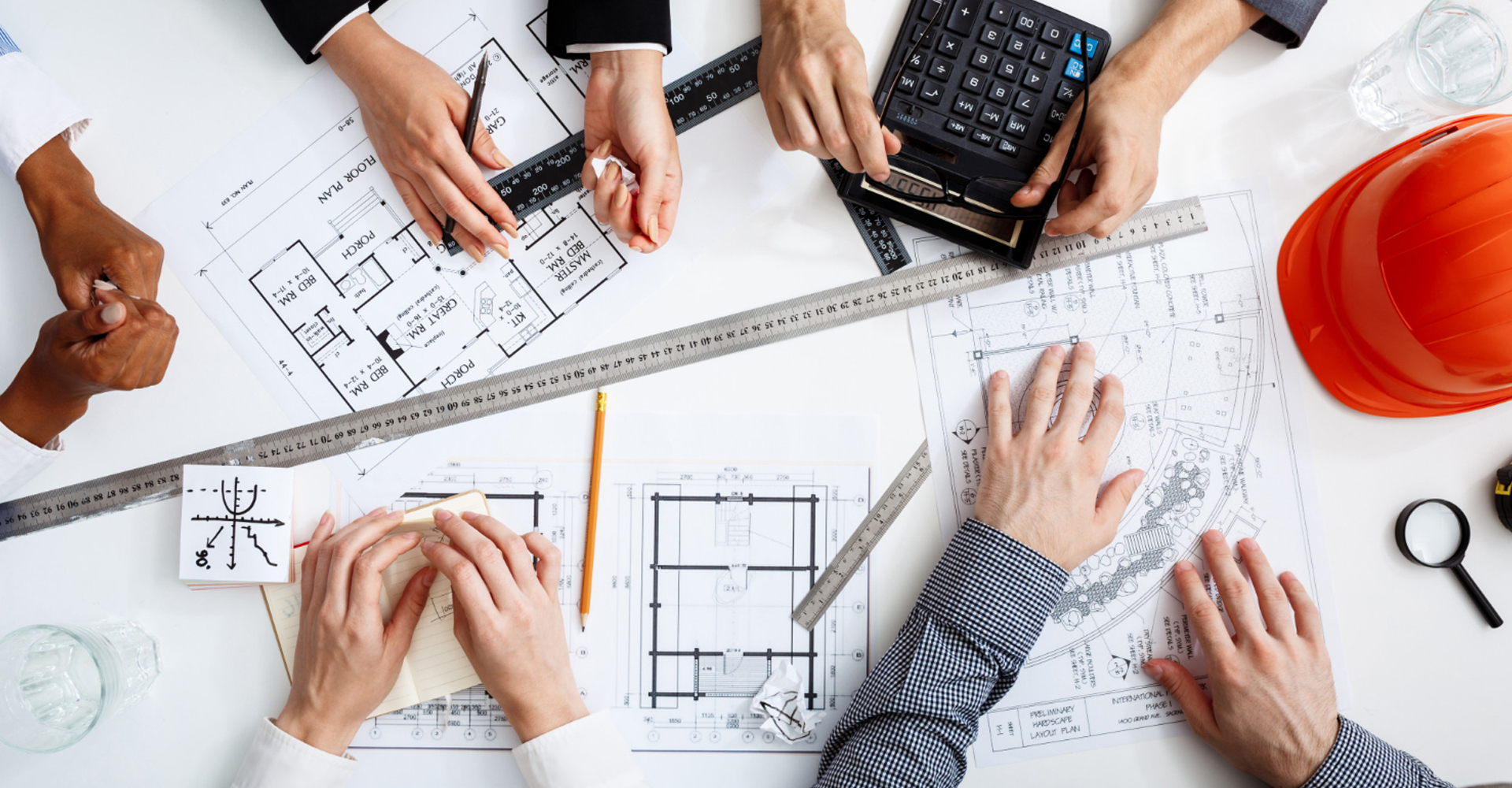
The process begins with feasibility analysis, architectural coordination, and structural planning, where engineering accuracy and compliance with building codes are critical. Leveraging advanced BIM (Building Information Modeling) and project management systems, high-rise contractors can optimize design efficiency, minimize rework, and maintain cost control.

During execution, expertise in reinforced concrete structures, MEP systems (mechanical, electrical, plumbing), and vertical construction methodologies ensures structural integrity and operational performance. Effective site management, resource allocation, and safety compliance play a vital role in meeting project timelines without compromising quality.

Equally important is procurement management and supply chain coordination, ensuring that materials meet specifications and are delivered on schedule. This directly impacts construction speed and overall project profitability.

End-to-end services also include interior fit-outs, façade systems, and finishing works, delivering a turnkey solution that aligns with the developer’s vision and market expectations. Post-construction support, including inspections and quality assurance, ensures long-term asset value.

For developers who demand measurable results, choosing a contractor with proven expertise in high-rise construction, project execution, and cost optimization is essential. The right partner doesn’t just build structures—they deliver scalable, future-ready developments that stand as benchmarks of engineering excellence.

How Architects and Contractors Coordinate on High-Rise Projects

High-rise construction is one of the technically demanding sectors of the construction industry. Unlike low-rise developments tall buildings need a level of coordination between architects, structural engineers, consultants and contractors to ensure the structure performs safely efficiently and sustainably over decades.

Architects focus on design vision, spatial functionality and aesthetics. Contractors are responsible for translating that vision into a structurally sound and operational building. The success of any high-rise project depends heavily on how these two roles collaborate throughout the project lifecycle.

If architects and contractors do not coordinate well it can lead to delays, conflicts, cost overruns or compromised performance. On the hand well-managed collaboration ensures that the building reflects the architect’s intent and meets engineering standards, regulatory requirements and practical construction realities.

This article explores how architects and contractors coordinate on high-rise projects. We will focus on three stages:

  • Drawings and design coordination
  • Site execution and construction sequencing
  • Design adjustments during construction

Understanding this process provides valuable insight into how complex vertical structures are successfully delivered.

The Importance of Architect– Contractor Collaboration in High-Rise Projects

In high-rise construction, the scale and complexity of the building require planning long before the first excavation begins. Every structural component, from foundation systems to cores and façade elements must be precisely designed and executed.

Architects typically lead the spatial design. They define the building’s form, layout, façade expression and interior functionality. However translating these ideas into reality requires coordination with structural engineers and contractors.

Contractors play a role in reviewing design documents. They ensure that the project can be executed efficiently and safely on site. This process often involves constructability analysis. Construction teams examine structural drawings to identify potential challenges before construction begins.

For high-rise projects this collaboration becomes more critical. The building must withstand vertical loads lateral forces such as wind and seismic activity and complex service integration.

Structural Drawings: Turning Architectural Concepts into Buildable Structures

Drawings form the foundation of coordination between architects and contractors. These documents translate concepts into precise engineering specifications. They define how the building will support loads and maintain stability.

Structural Framework Planning

In high-rise buildings the structural framework typically consists of reinforced steel systems. These systems are designed to support both lateral forces. Structural drawings specify elements such as:

  • Columns and beams
  • Slab. Reinforcement
  • Shear walls and core structures
  • Foundation systems

Contractors carefully review these drawings. They understand the logic of the building and determine the construction approach.

Load Distribution and Structural Stability

Tall buildings must safely distribute loads through the system into the foundation. Structural engineers design the building to manage:

  • Dead loads from building materials
  • Loads from occupants and equipment
  • Lateral forces from wind or seismic activity

Contractors ensure that reinforcement placement, concrete strength and structural alignment follow the exact specifications provided in the drawings.

Core and Shear Wall Systems

Most high-rise buildings rely on a structural core. This core houses elevators, staircases and service shafts. Shear walls within this core help resist forces and maintain building stability.

Accurate coordination between architects and contractors ensures that the architectural layout aligns with the core design. It also maintains space for building services.

Constructability Analysis

Before construction begins contractors conduct constructability reviews. They identify execution challenges. This may include evaluating:

  • Reinforcement congestion in elements
  • Construction sequencing for structures
  • Accessibility for equipment and materials
  • Coordination with electrical systems

Addressing these issues during the planning stage helps prevent delays and costly modifications during construction.

Site Execution: Bringing the Design to Life

Once construction begins the focus shifts from drawings to site execution and operational coordination. At this stage contractors implement the system through carefully planned construction sequences.

Construction Sequencing in High-Rise Projects

High-rise buildings are typically constructed using a floor-by-floor slab cycle. Each level is completed before progressing to the next.

The typical structural sequence includes:

  • Excavation and foundation construction
  • Development of the structural core
  • Installation of columns and beams
  • Slab reinforcement and concrete pouring
  • Curing and structural inspection

Maintaining sequencing ensures structural integrity and construction efficiency.

Quality Control and Inspection

Quality control is critical in high-rise construction. Even small errors can have structural implications.

Contractors implement inspection procedures. These include:

* Verification of reinforcement placement

* Formwork alignment checks

* Concrete strength testing

* Dimensional accuracy inspections

These measures ensure that the constructed structure matches the approved drawings.

MEP Coordination During Construction

Mechanical, electrical and plumbing systems must be integrated within the framework. They must not compromise integrity.

Coordination between architects, engineers and contractors ensures that:

  • Electrical conduits are properly routed
  • Plumbing stacks align with service shafts
  • HVAC systems fit within architectural spaces
  • Fire safety systems are integrated effectively

Proper planning of MEP systems during early construction stages prevents conflicts. It prevents conflicts that could require modifications later.

Design Adjustments During Construction

Despite planning certain adjustments may be required during construction. This is due to site conditions, technical challenges or operational considerations.

Effective coordination between architects and contractors ensures that these changes are implemented. They are implemented without compromising the design or structural safety.

Site Conditions and Environmental Factors

Unexpected site conditions, such as soil variations or underground obstacles can require adjustments to foundation systems or structural components.

Contractors communicate these findings to the design team. They allow engineers and architects to revise plans where necessary.

Practical Construction Constraints

Some design elements may present challenges during execution. This is due to equipment limitations, material availability or site logistics.

In cases contractors and architects collaborate to modify design details. They preserve the design intent.

Design Optimization

Construction teams may also propose adjustments. These adjustments improve efficiency reduce material usage or simplify structural elements.

These modifications are. Approved by architects and engineers. They ensure compliance with regulatory standards.

Communication and Coordination Systems

Continuous communication is essential. It maintains alignment between design and construction teams.

High-rise projects typically rely on coordination processes. These include:

  • Project coordination meetings
  • Design review sessions
  • Updated drawing revisions
  • Digital project management systems

These processes allow architects, engineers and contractors to monitor progress. They address challenges. Maintain project schedules.

The Role of Experienced Contractors in High-Rise Projects

Contractors with experience in high-rise construction play a role. They ensure that design concepts are executed with precision.

Experienced construction teams understand the complexities involved in:

  • Sequencing
  • Vertical transportation planning
  • Service integration
  • Safety and regulatory compliance

Their expertise helps bridge the gap between architectural creativity and practical construction execution.


High-rise construction requires a level of coordination between architects and contractors. This coordination is throughout every stage of the project. Structural drawings provide the engineering blueprint. Site execution transforms design into reality. Ongoing collaboration ensures that challenges are addressed effectively.

When architects and contractors work together with communication, technical discipline and shared project objectives high-rise buildings can achieve both architectural excellence and structural reliability.

At Faisal Farooq Construction (FFC) we believe that structured collaboration between design teams and construction professionals is essential. It is essential, for delivering quality high-rise projects that meet modern standards of safety, performance and durability.


Professional Interior Services in Islamabad & Lahore That Transform Spaces into Functional Assets

In fast-growing cities like Islamabad and Lahore, interior services play a critical role in how residential and commercial spaces perform, feel, and retain value. With increasing demand for high-quality apartments, offices, healthcare facilities, and customer-facing environments, professional interior services in Islamabad and Lahore are no longer optional—they are essential.

At Faisal Farooq Construction, we provide end-to-end interior and finishing services across Islamabad, Lahore, and major cities of Pakistan, delivering spaces that combine functionality, durability, and refined aesthetics.

Complete Interior Solutions in Islamabad & Lahore

Our interior services are designed to support projects from concept to completion, ensuring seamless coordination and timely delivery. We offer:

  • Interior design coordination and space planning

  • Flooring systems (tiles, marble, vinyl, and heavy-duty finishes)

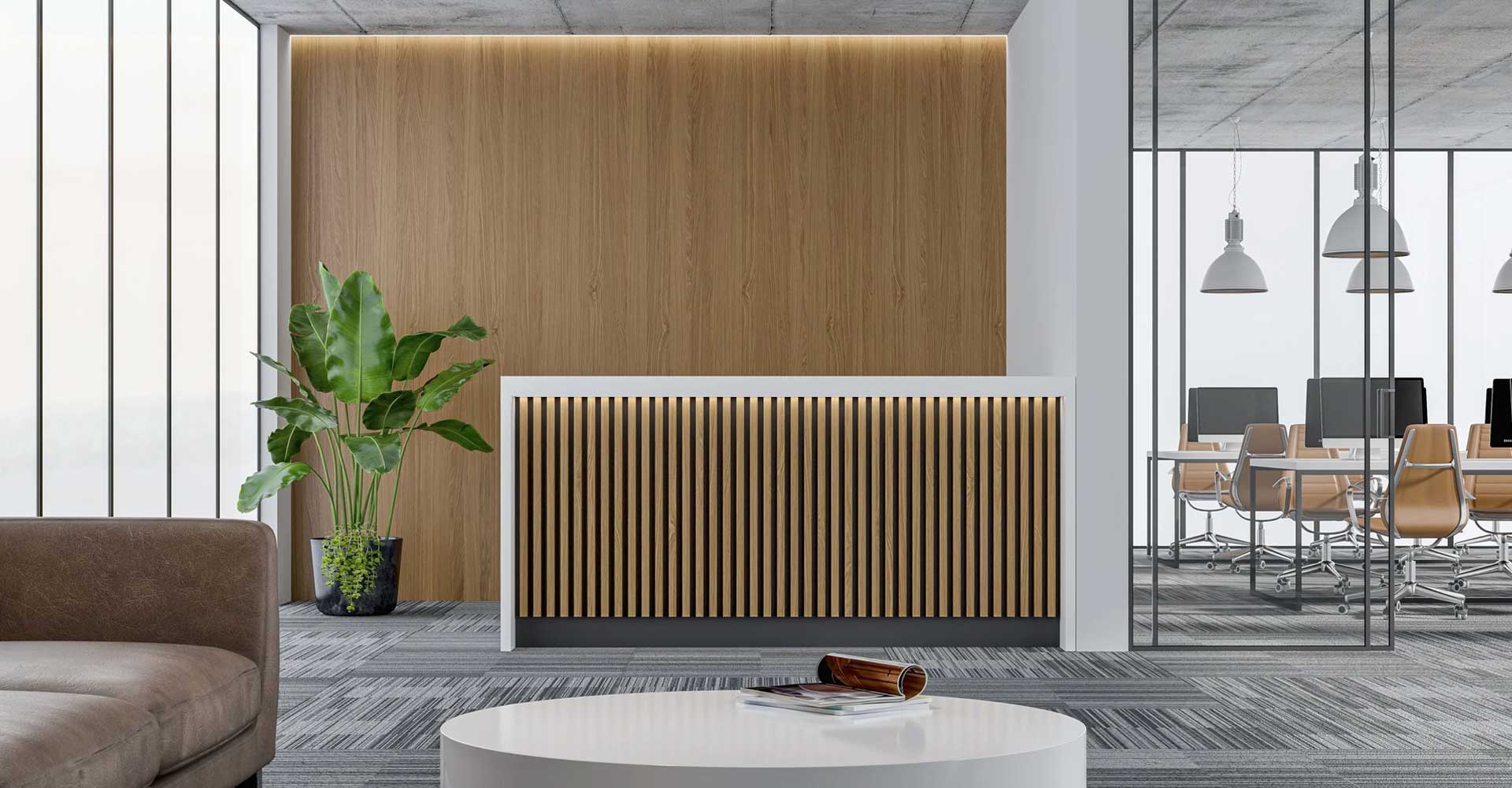
  • Wall finishes, feature walls, and cladding systems

  • False ceilings, gypsum works, and acoustic solutions

  • Lighting layouts and electrical coordination

  • Custom joinery, cabinetry, and woodwork

  • Washroom interiors with hygienic fittings

  • Integrated MEP coordination within interior works

These services are delivered with strict quality control and site supervision—essential for high-use environments common in Islamabad and Lahore.

Interiors Designed for Real Use

Every city has its own usage patterns. Our approach considers local climate, foot traffic, and operational needs, ensuring interiors remain practical and low-maintenance. This is especially important for:

  • Commercial offices in Islamabad’s business districts

  • Residential apartments and housing projects in Lahore

  • Hospitals, clinics, and educational institutions in both cities

Our interiors are designed to perform efficiently while maintaining a professional finish.

Precision Execution & Quality Assurance

Interior finishing demands accuracy. Our teams follow disciplined execution processes that include skilled labor, approved materials, and detailed inspections. Proper coordination with HVAC, electrical, plumbing, and fire-fighting systems prevents rework and ensures long-term reliability.

Sector-Specific Interior Services

We deliver customized interior solutions for:

  • Residential developments in Islamabad & Lahore

  • Commercial and corporate spaces

  • Healthcare and hospital renovation projects

  • Educational and institutional facilities

Each project is executed with an understanding of sector-specific requirements and compliance standards.

Why Clients in Islamabad & Lahore Choose Us

✔ Proven interior finishing expertise
✔ Turnkey interior execution
✔ On-time delivery and cost control
✔ Durable, high-quality finishes

We don’t just design interiors—we **deliver functional, ready-to-use

Fire Protection in High-Rise Buildings: Essential Systems, Regulations, and Construction Best Practices

High-rise buildings represent progress, density, and modern urban development—but they also introduce complex fire safety challenges. As structures grow taller, fire protection systems must be meticulously designed, installed, and maintained to protect lives, assets, and operational continuity. In high-rise construction, fire safety is not optional; it is a critical engineering and regulatory requirement.

Understanding Fire Risks in High-Rise Buildings

Unlike low-rise structures, high-rise buildings face increased risks due to vertical evacuation constraints, longer response times, and complex mechanical systems. Fire can spread rapidly through shafts, stairwells, HVAC systems, and façade materials if not properly controlled. This makes integrated fire protection planning essential from the early design stage.

Essential Fire Protection Systems

A robust high-rise fire safety strategy includes multiple active and passive systems working together:

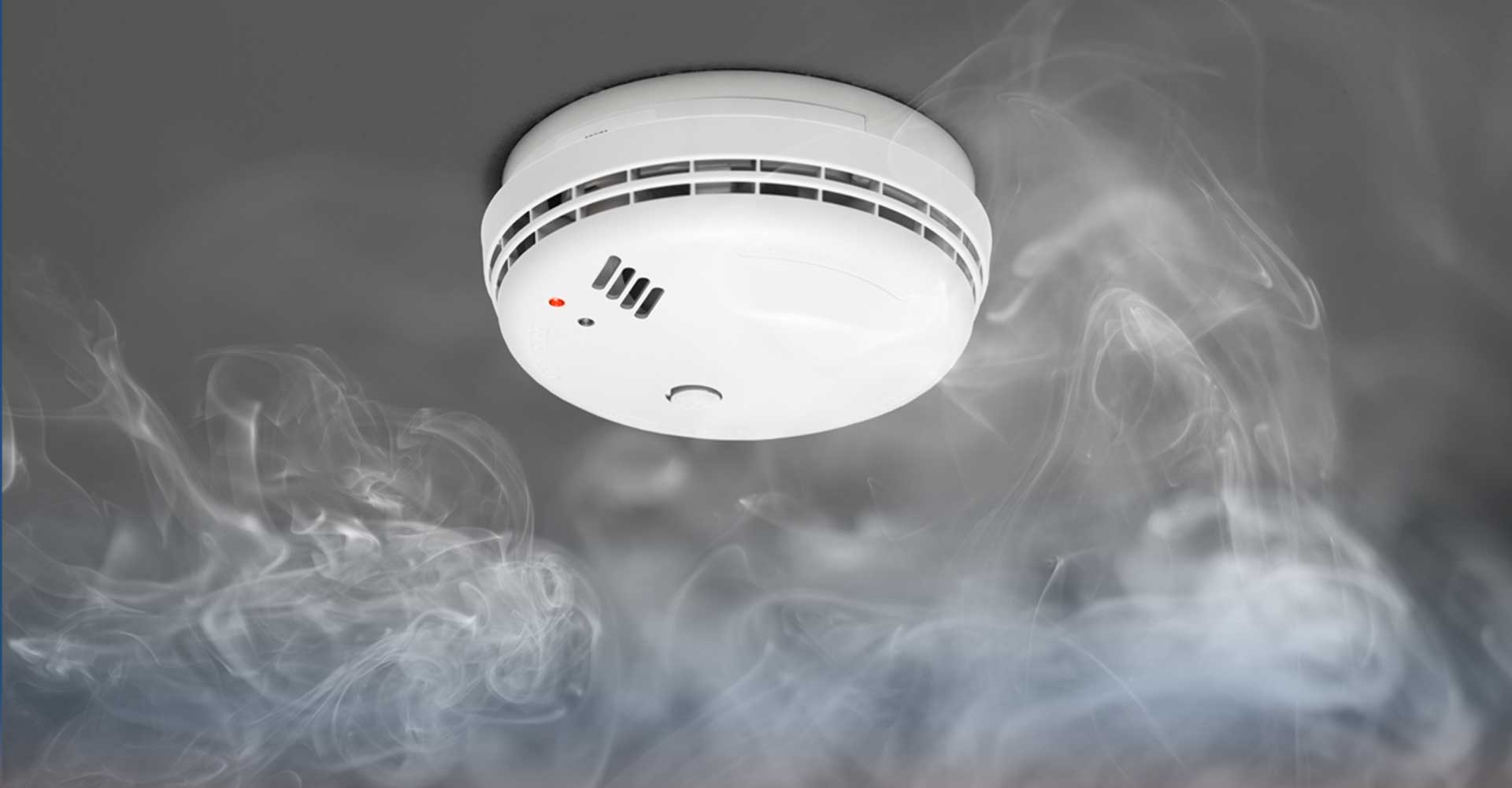
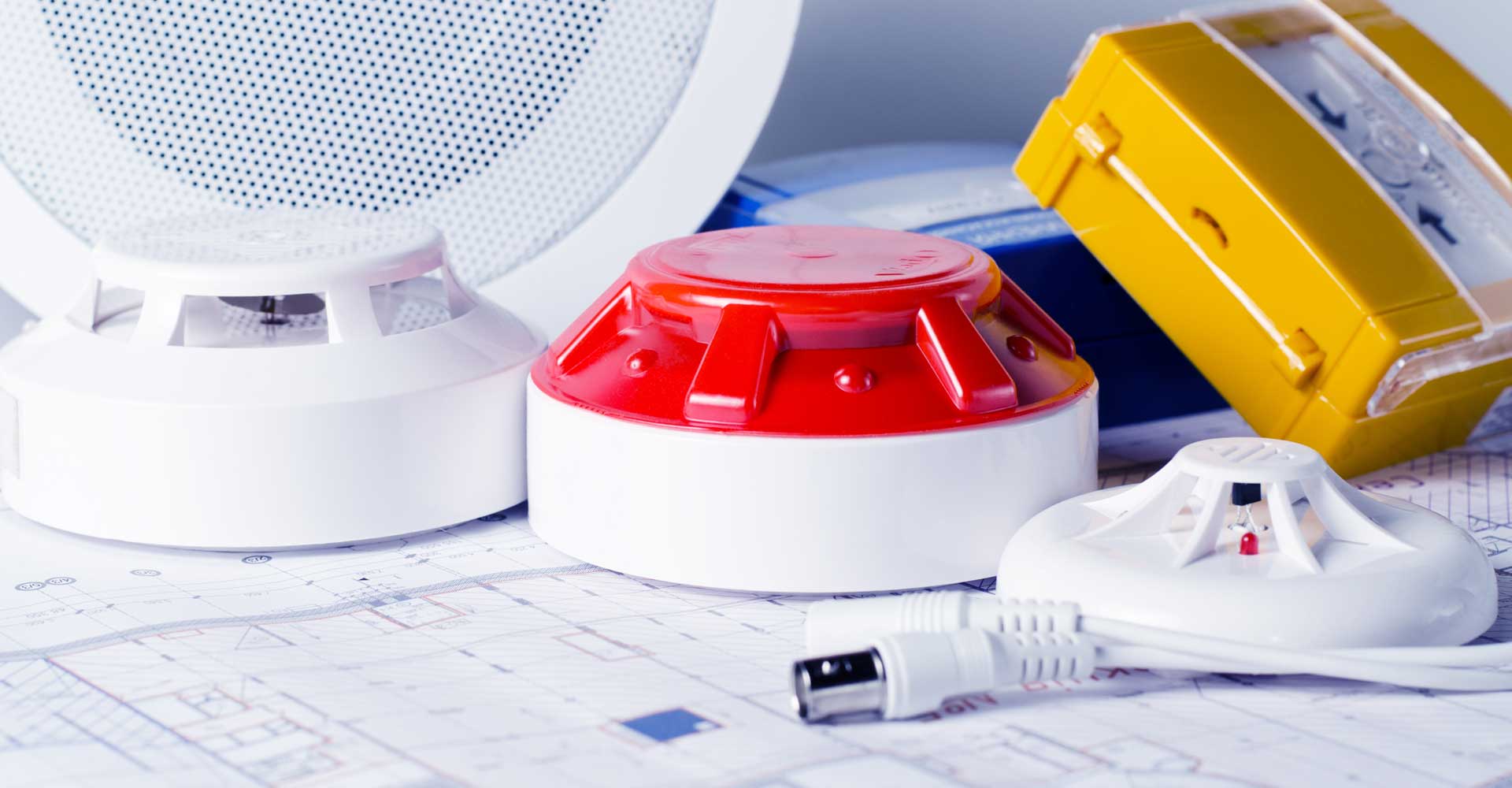
  • Fire Detection & Alarm Systems: Smoke detectors, heat detectors, manual call points, and centralized alarm panels ensure early detection and rapid response.

  • Automatic Fire Suppression Systems: Sprinkler systems, fire hose reels, standpipes, and fire pumps are critical for controlling fires before they escalate.

  • Passive Fire Protection: Fire-rated walls, doors, floors, and compartmentation limit fire spread and protect escape routes.

  • Smoke Management Systems: Pressurized staircases, smoke exhaust systems, and fire dampers help maintain visibility and breathable conditions during evacuation.

  • Emergency Power & Lighting: Backup generators, emergency lighting, and exit signage ensure safe evacuation during power failure.

Regulatory Compliance and Standards

Fire protection in high-rise buildings must comply with local building codes, civil defense requirements, and international standards such as NFPA and British Standards. In Pakistan, authorities increasingly emphasize compliance during approvals, inspections, and occupancy certifications. Non-compliance can result in legal penalties, project delays, or catastrophic failures.

Best Practices During Construction

Fire safety should be integrated—not added later. Best practices include:

  • Coordinating fire protection with MEP systems during design

  • Using certified fire-rated materials and approved equipment

  • Conducting regular site inspections and system testing

  • Ensuring proper installation by qualified professionals

  • Planning fire safety upgrades during renovation or retrofitting

The Role of Expert Contractors

Effective fire protection depends on experience and technical expertise. Professional contractors ensure that systems are correctly designed, seamlessly integrated, and fully compliant. For developers and building owners, investing in expert fire protection services reduces long-term risk, enhances occupant confidence, and protects property value.

Conclusion

Fire protection in high-rise buildings is a life-safety priority that demands careful planning, strict compliance, and professional execution. By adopting best practices and working with experienced construction partners, high-rise projects can achieve safety, resilience, and regulatory confidence—without compromise.

Why Fire Safety Systems Are Critical in High-Rise Construction: Protecting Lives, Assets, and Compliance

High-rise buildings represent complex engineering achievements, but their vertical nature also increases fire-related risks. In dense urban environments across Pakistan, proper fire safety systems in high-rise construction are not optional—they are essential for protecting human life, property value, and regulatory compliance.

The Unique Fire Risks in High-Rise Structures

Unlike low-rise buildings, fires in high-rise structures spread vertically through shafts, ducts, and stairwells. Evacuation is more difficult, and firefighting operations become more challenging due to height, access, and smoke movement. This is why high-rise construction requires integrated fire protection planning from the design stage.

Life Safety Comes First

The primary goal of any fire safety system is life protection. Early detection systems such as smoke detectors, heat sensors, and fire alarm panels alert occupants immediately. Well-designed evacuation routes, emergency lighting, and pressurized stairwells ensure safe exit pathways. Fire-rated doors, walls, and compartmentation slow fire spread, giving occupants critical evacuation time.

Asset Protection and Business Continuity

Fires cause severe structural damage, loss of assets, and business interruption. Automatic sprinkler systems, hydrant networks, and fire suppression systems limit fire growth and reduce property damage. Properly installed fire protection measures protect investments, minimize downtime, and maintain building functionality after incidents.

Compliance with Building Codes and Regulations

Modern high-rise construction must adhere to local and international fire safety standards. Regulatory compliance covers fire detection, suppression systems, fire-resistant materials, and emergency access planning. Non-compliance can lead to legal penalties, insurance issues, and severe safety liabilities. Professional fire safety integration ensures buildings meet required codes and inspection standards.

Integrated MEP and Fire Safety Coordination

Fire safety systems must be coordinated with MEP services—including electrical, HVAC, and plumbing systems. Fire-rated ducting, smoke extraction systems, and emergency power supply for alarms and pumps are critical components. Poor coordination can lead to system failure during emergencies.

The Role of Professional Construction Expertise

Effective fire protection in high-rise buildings requires experienced engineering teams, precise installation, and rigorous quality checks. From design review to commissioning, professional execution ensures systems perform when needed most.

At Faisal Farooq Construction, we integrate fire-fighting systems, MEP coordination, and safety compliance into high-rise and commercial projects—delivering buildings that prioritize safety without compromising performance.

Why Expert Interior Finishing Services in Pakistan Are Essential for Modern Residential & Commercial Spaces

In today’s rapidly evolving construction landscape in Pakistan, interior finishing has become a defining factor in how spaces perform, feel, and retain value. Whether it is a residential apartment in Islamabad or a commercial office in Lahore, the quality of interior finishing directly impacts functionality, durability, and user experience. This is why expert interior finishing services are no longer a luxury—they are a necessity.

Interior Finishing: More Than Just Aesthetics

Interior finishing is the stage where a structure truly comes to life. It includes flooring systems, wall finishes, ceilings, lighting integration, joinery, fixtures, and final detailing. When executed without technical expertise, these elements may look acceptable initially but often fail under daily use. Expert finishing ensures that materials are installed correctly, aligned precisely, and perform reliably over time.

In Pakistan’s climate and usage conditions—high foot traffic, temperature variation, and intensive utility use—professional finishing is essential to prevent early deterioration and costly repairs.

Enhancing Functionality and Comfort

Modern residential and commercial spaces demand smart layouts and efficient usability. Expert interior finishing teams work closely with design and engineering plans to ensure seamless space planning, movement flow, and ergonomic comfort. Proper coordination between finishes and MEP systems (electrical, HVAC, plumbing, and fire safety) eliminates common issues such as exposed services, misaligned fixtures, or rework after completion.

For commercial spaces, this translates into productive work environments. For residential projects, it ensures comfortable living spaces that age gracefully.

Increasing Property Value and Market Appeal

High-quality interior finishing significantly improves a property’s resale and rental value. Buyers and tenants in Pakistan increasingly prioritize finished spaces that require minimal maintenance. Professionally executed interiors reflect attention to detail, durability, and quality—qualities that directly influence investment decisions.

In commercial projects, well-finished interiors also strengthen brand perception and client confidence.

Reducing Long-Term Costs

One of the biggest advantages of expert finishing services is cost efficiency over the lifecycle of the space. Skilled workmanship, correct material selection, and quality control reduce the need for frequent repairs, replacements, and upgrades. This is especially important in high-traffic environments such as offices, healthcare facilities, and retail spaces.

The Importance of Professional Execution

Expert interior finishing is not just about skilled labor—it is about project coordination, quality assurance, and disciplined execution. Professional contractors manage timelines, supervise trades, and ensure compliance with standards, delivering interiors that are ready for immediate and long-term use.

At Faisal Farooq Construction, our interior finishing services across Pakistan are delivered with precision, integrated planning, and strict quality control—ensuring spaces that perform as well as they look.


Planning an Interior Finishing Project?

If you’re developing or renovating a residential or commercial space in Pakistan, partner with professionals who understand execution, durability, and detail.

📞 Contact us for expert interior finishing solutions
🌐 www.faisalfarooqconstruction.com

Finish with confidence. Build with professionals.

How Professional Interior Design Enhances Functionality, Comfort, and Property Value

Professional interior design is more than visual appeal—it is a strategic process that combines space planning, material selection, and technical execution to deliver environments that perform efficiently and age gracefully. When executed by experienced interior design and finishing professionals, interiors significantly improve functionality, comfort, and long-term property value.

Functionality begins with intelligent space planning. Professional interior designers analyze movement patterns, usage requirements, and furniture layouts to ensure optimal flow and usability. This approach is particularly critical in residential apartments, commercial offices, healthcare facilities, and customer-facing spaces where efficiency and accessibility directly impact daily operations.

Comfort is achieved through thoughtful design coordination and quality finishing work. From lighting design and acoustics to surface textures and climate integration, professional interior services ensure a balanced environment that supports well-being. Precise execution of flooring systems, wall finishes, ceiling treatments, and MEP integration plays a key role in creating interiors that feel cohesive, durable, and comfortable over time.

Property value is enhanced when interiors are designed and finished to professional standards. High-quality materials, proper detailing, and skilled craftsmanship reduce maintenance costs while increasing market appeal. Buyers and tenants consistently prioritize well-finished interiors, making professional interior design a strong return-on-investment for both residential and commercial properties.

By delivering turnkey interior design and finishing solutions—from concept development to final handover—professional contractors eliminate rework, control costs, and ensure consistent quality. The result is an interior that not only looks refined but performs effectively, supports its users, and adds lasting value to the property.

Hospital Renovation Best Practices: Upgrading Healthcare Facilities Without Disrupting Patient Care

Hospital renovation is a highly specialized process that demands precision, planning, and a deep understanding of healthcare operations. Unlike commercial or residential projects, healthcare facility upgrades must be executed while maintaining uninterrupted patient care, safety, and regulatory compliance. As hospitals evolve to meet modern medical standards, following proven renovation best practices becomes essential.

1. Phased Renovation Planning

One of the most effective strategies for minimizing disruption is phased construction. By dividing the renovation into carefully planned stages, hospitals can keep critical departments operational while work progresses in isolated zones. This approach allows patient services to continue safely while reducing noise, dust, and congestion in active clinical areas.

2. Infection Control and Safety Protocols

Infection prevention is a top priority during hospital renovation. Best practices include installing temporary barriers, maintaining negative air pressure in construction zones, and using HEPA filtration systems to control airborne contaminants. Strict access control and daily site sanitation ensure compliance with healthcare infection control risk assessment (ICRA) standards.

3. MEP System Coordination

Upgrading MEP systems (Mechanical, Electrical, and Plumbing) is often the backbone of hospital renovation projects. Careful coordination is required to modernize HVAC systems for improved air quality, enhance electrical capacity for advanced medical equipment, and upgrade plumbing for hygiene and efficiency—without interrupting existing services. Temporary utilities and night-shift execution are commonly used to avoid downtime.

4. Noise and Vibration Management

Construction noise and vibration can negatively affect patients, particularly in sensitive areas such as ICUs, operating theatres, and pediatric wards. Best practices include scheduling high-impact activities during off-peak hours, using low-noise equipment, and applying vibration monitoring systems to protect both patients and medical infrastructure.

5. Patient-Centered Interior Design

Modern hospital renovation goes beyond technical upgrades—it focuses on patient experience. Incorporating calming color palettes, child-friendly wall graphics, improved lighting, and ergonomic layouts contributes to healing environments. In pediatric wards, playful themes and interactive interiors help reduce anxiety and support emotional well-being.

6. Stakeholder Communication and Coordination

Continuous coordination with hospital administration, medical staff, and facility managers is critical. Clear communication ensures that renovation schedules align with clinical priorities and emergency protocols. Regular progress updates and contingency planning help address unexpected challenges without compromising care delivery.

7. Compliance and Quality Assurance

Hospital renovations must adhere to local building codes, healthcare regulations, and international safety standards. Comprehensive quality checks, documentation, and testing ensure that renovated spaces are safe, compliant, and future-ready.

Conclusion

Successful hospital renovation is a balance between technical excellence and operational sensitivity. By adopting phased execution, strict safety controls, advanced MEP planning, and patient-focused design, healthcare facilities can be upgraded efficiently without disrupting patient care. When executed correctly, renovation projects not only modernize infrastructure but also enhance safety, efficiency, and overall healthcare outcomes.

Modern Hospital Renovation Strategies: Enhancing Safety, Efficiency, and Patient Experience

Hospitals are among the most critical buildings in any community, and their infrastructure directly impacts patient safety, operational efficiency, and quality of care. As medical technologies evolve and patient expectations rise, many existing healthcare facilities require thoughtful modernization. Modern hospital renovation strategies focus on upgrading infrastructure while ensuring uninterrupted healthcare services, making renovation a vital component of sustainable healthcare development.

One of the primary goals of hospital renovation is enhancing patient safety. Older facilities often lack compliance with updated building codes, infection control standards, and fire safety regulations. Renovation projects address these challenges by improving structural integrity, upgrading fire-fighting systems, and introducing non-slip flooring, antimicrobial surfaces, and improved emergency exits. These measures reduce risks and create a safer environment for patients, visitors, and medical staff.

Another critical aspect of hospital renovation is operational efficiency. Inefficient layouts, outdated electrical systems, and congested service areas can slow down medical workflows. Modern renovation strategies prioritize functional space planning, enabling smoother movement of patients, staff, and equipment. Upgraded MEP (Mechanical, Electrical, and Plumbing) systems ensure reliable power supply, efficient ventilation, and proper water management—essential for continuous hospital operations.

HVAC upgrades play a crucial role in healthcare renovation. Hospitals require precise temperature control, high air quality, and effective filtration to reduce airborne infections. Renovation projects often include installing energy-efficient HVAC systems with HEPA filtration, improved ducting, and automated climate control. These upgrades enhance indoor air quality while lowering energy consumption, supporting both patient comfort and sustainability goals.

Improving the patient experience is another key objective of modern hospital renovation. Thoughtfully designed reception areas, waiting spaces, and wards help reduce stress and anxiety. Natural lighting, calming color schemes, noise control solutions, and better accessibility features contribute to a healing-focused environment. Renovation also allows hospitals to incorporate patient-centered amenities such as clearer wayfinding systems, privacy-enhancing layouts, and family-friendly spaces.

In addition, modern hospital renovation strategies emphasize minimal disruption during construction. Phased execution, night-time work schedules, and strict dust and noise control measures allow hospitals to remain fully operational while renovation work progresses. This approach ensures continuity of care while infrastructure improvements are implemented safely.

At Faisal Farooq Construction, hospital renovation projects are approached with precision, responsibility, and a deep understanding of healthcare requirements. By integrating structural upgrades, HVAC optimization, MEP modernization, and patient-focused design, FFC delivers renovation solutions that enhance safety, efficiency, and long-term performance.

As healthcare demands continue to grow, modern hospital renovation is no longer optional—it is essential. Well-planned renovation strategies ensure hospitals remain resilient, efficient, and prepared to provide high-quality care for years to come.