
High-rise buildings represent progress, density, and modern urban development—but they also introduce complex fire safety challenges. As structures grow taller, fire protection systems must be meticulously designed, installed, and maintained to protect lives, assets, and operational continuity. In high-rise construction, fire safety is not optional; it is a critical engineering and regulatory requirement.
Understanding Fire Risks in High-Rise Buildings
Unlike low-rise structures, high-rise buildings face increased risks due to vertical evacuation constraints, longer response times, and complex mechanical systems. Fire can spread rapidly through shafts, stairwells, HVAC systems, and façade materials if not properly controlled. This makes integrated fire protection planning essential from the early design stage.
Essential Fire Protection Systems
A robust high-rise fire safety strategy includes multiple active and passive systems working together:
-
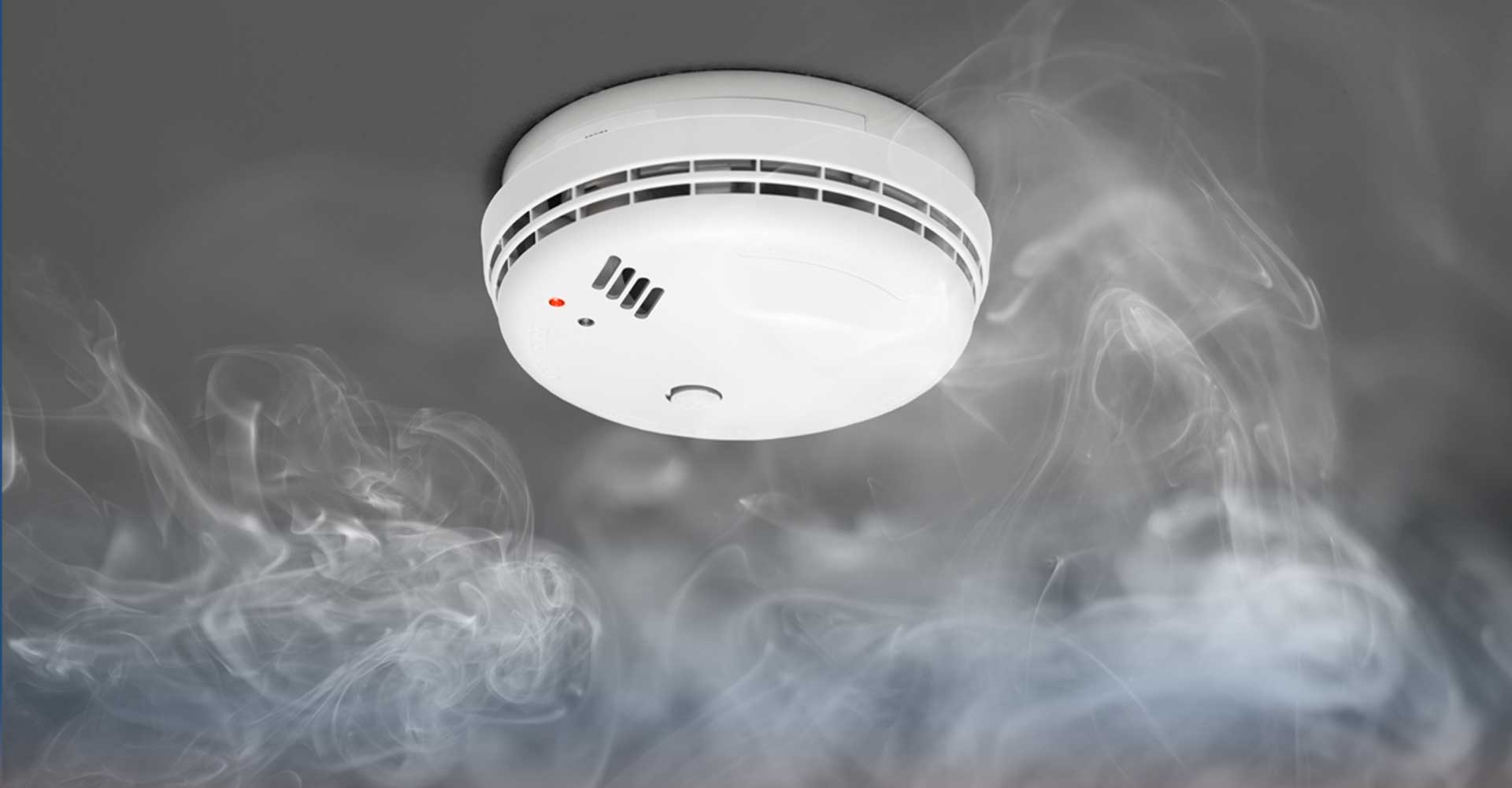
Fire Detection & Alarm Systems: Smoke detectors, heat detectors, manual call points, and centralized alarm panels ensure early detection and rapid response.
-
Automatic Fire Suppression Systems: Sprinkler systems, fire hose reels, standpipes, and fire pumps are critical for controlling fires before they escalate.
-
Passive Fire Protection: Fire-rated walls, doors, floors, and compartmentation limit fire spread and protect escape routes.
-
Smoke Management Systems: Pressurized staircases, smoke exhaust systems, and fire dampers help maintain visibility and breathable conditions during evacuation.
-
Emergency Power & Lighting: Backup generators, emergency lighting, and exit signage ensure safe evacuation during power failure.
Regulatory Compliance and Standards
Fire protection in high-rise buildings must comply with local building codes, civil defense requirements, and international standards such as NFPA and British Standards. In Pakistan, authorities increasingly emphasize compliance during approvals, inspections, and occupancy certifications. Non-compliance can result in legal penalties, project delays, or catastrophic failures.
Best Practices During Construction
Fire safety should be integrated—not added later. Best practices include:
-
Coordinating fire protection with MEP systems during design
-
Using certified fire-rated materials and approved equipment
-
Conducting regular site inspections and system testing
-
Ensuring proper installation by qualified professionals
-
Planning fire safety upgrades during renovation or retrofitting
The Role of Expert Contractors
Effective fire protection depends on experience and technical expertise. Professional contractors ensure that systems are correctly designed, seamlessly integrated, and fully compliant. For developers and building owners, investing in expert fire protection services reduces long-term risk, enhances occupant confidence, and protects property value.
Conclusion
Fire protection in high-rise buildings is a life-safety priority that demands careful planning, strict compliance, and professional execution. By adopting best practices and working with experienced construction partners, high-rise projects can achieve safety, resilience, and regulatory confidence—without compromise.