
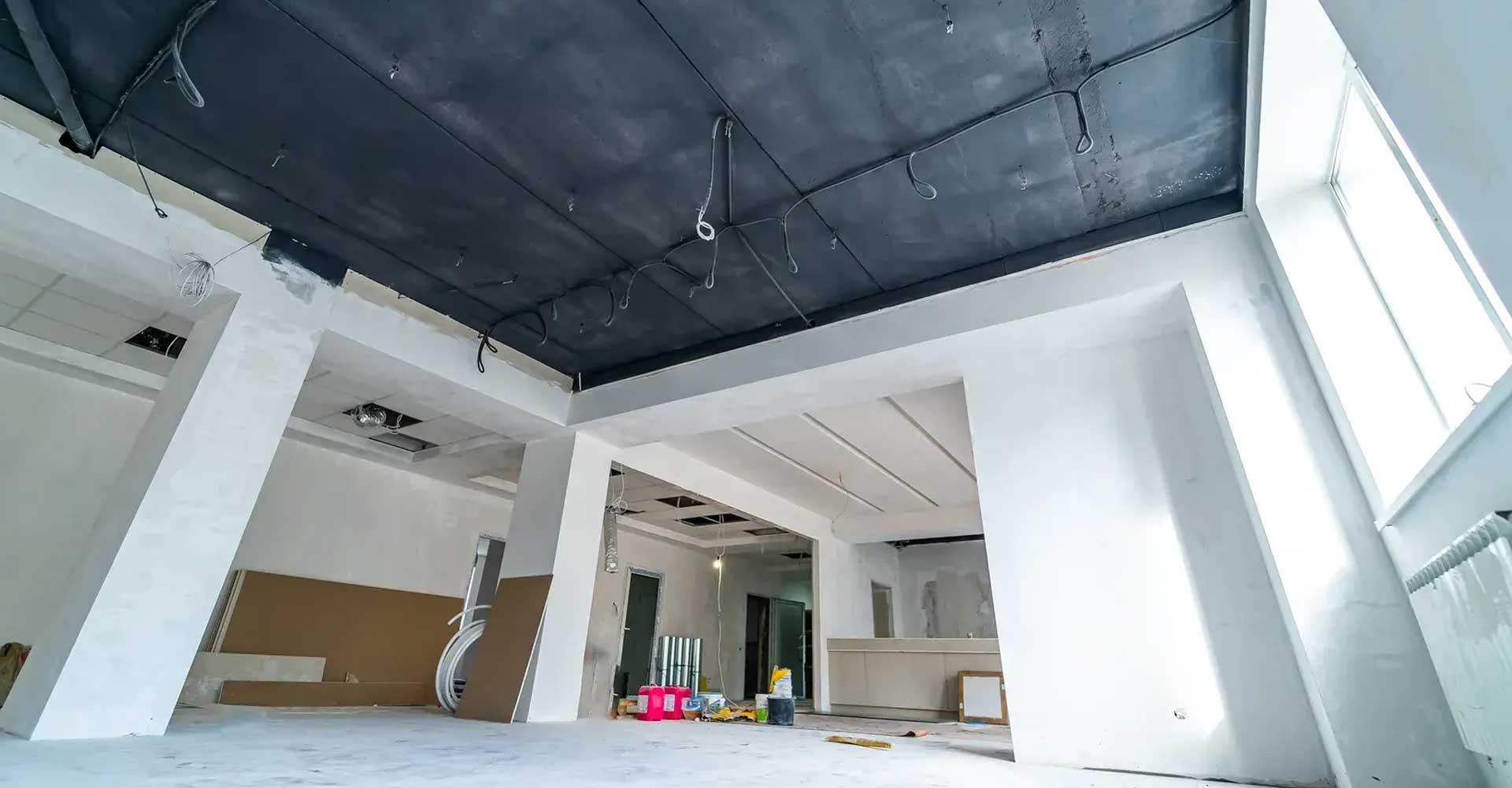
Hospitals are among the most critical buildings in any community, and their infrastructure directly impacts patient safety, operational efficiency, and quality of care. As medical technologies evolve and patient expectations rise, many existing healthcare facilities require thoughtful modernization. Modern hospital renovation strategies focus on upgrading infrastructure while ensuring uninterrupted healthcare services, making renovation a vital component of sustainable healthcare development.
One of the primary goals of hospital renovation is enhancing patient safety. Older facilities often lack compliance with updated building codes, infection control standards, and fire safety regulations. Renovation projects address these challenges by improving structural integrity, upgrading fire-fighting systems, and introducing non-slip flooring, antimicrobial surfaces, and improved emergency exits. These measures reduce risks and create a safer environment for patients, visitors, and medical staff.
Another critical aspect of hospital renovation is operational efficiency. Inefficient layouts, outdated electrical systems, and congested service areas can slow down medical workflows. Modern renovation strategies prioritize functional space planning, enabling smoother movement of patients, staff, and equipment. Upgraded MEP (Mechanical, Electrical, and Plumbing) systems ensure reliable power supply, efficient ventilation, and proper water management—essential for continuous hospital operations.
HVAC upgrades play a crucial role in healthcare renovation. Hospitals require precise temperature control, high air quality, and effective filtration to reduce airborne infections. Renovation projects often include installing energy-efficient HVAC systems with HEPA filtration, improved ducting, and automated climate control. These upgrades enhance indoor air quality while lowering energy consumption, supporting both patient comfort and sustainability goals.
Improving the patient experience is another key objective of modern hospital renovation. Thoughtfully designed reception areas, waiting spaces, and wards help reduce stress and anxiety. Natural lighting, calming color schemes, noise control solutions, and better accessibility features contribute to a healing-focused environment. Renovation also allows hospitals to incorporate patient-centered amenities such as clearer wayfinding systems, privacy-enhancing layouts, and family-friendly spaces.
In addition, modern hospital renovation strategies emphasize minimal disruption during construction. Phased execution, night-time work schedules, and strict dust and noise control measures allow hospitals to remain fully operational while renovation work progresses. This approach ensures continuity of care while infrastructure improvements are implemented safely.
At Faisal Farooq Construction, hospital renovation projects are approached with precision, responsibility, and a deep understanding of healthcare requirements. By integrating structural upgrades, HVAC optimization, MEP modernization, and patient-focused design, FFC delivers renovation solutions that enhance safety, efficiency, and long-term performance.
As healthcare demands continue to grow, modern hospital renovation is no longer optional—it is essential. Well-planned renovation strategies ensure hospitals remain resilient, efficient, and prepared to provide high-quality care for years to come.